What is CCS?
Tackling climate change
Industry experience
Economic importance
Affordability
Why CCS?
Coastline scene

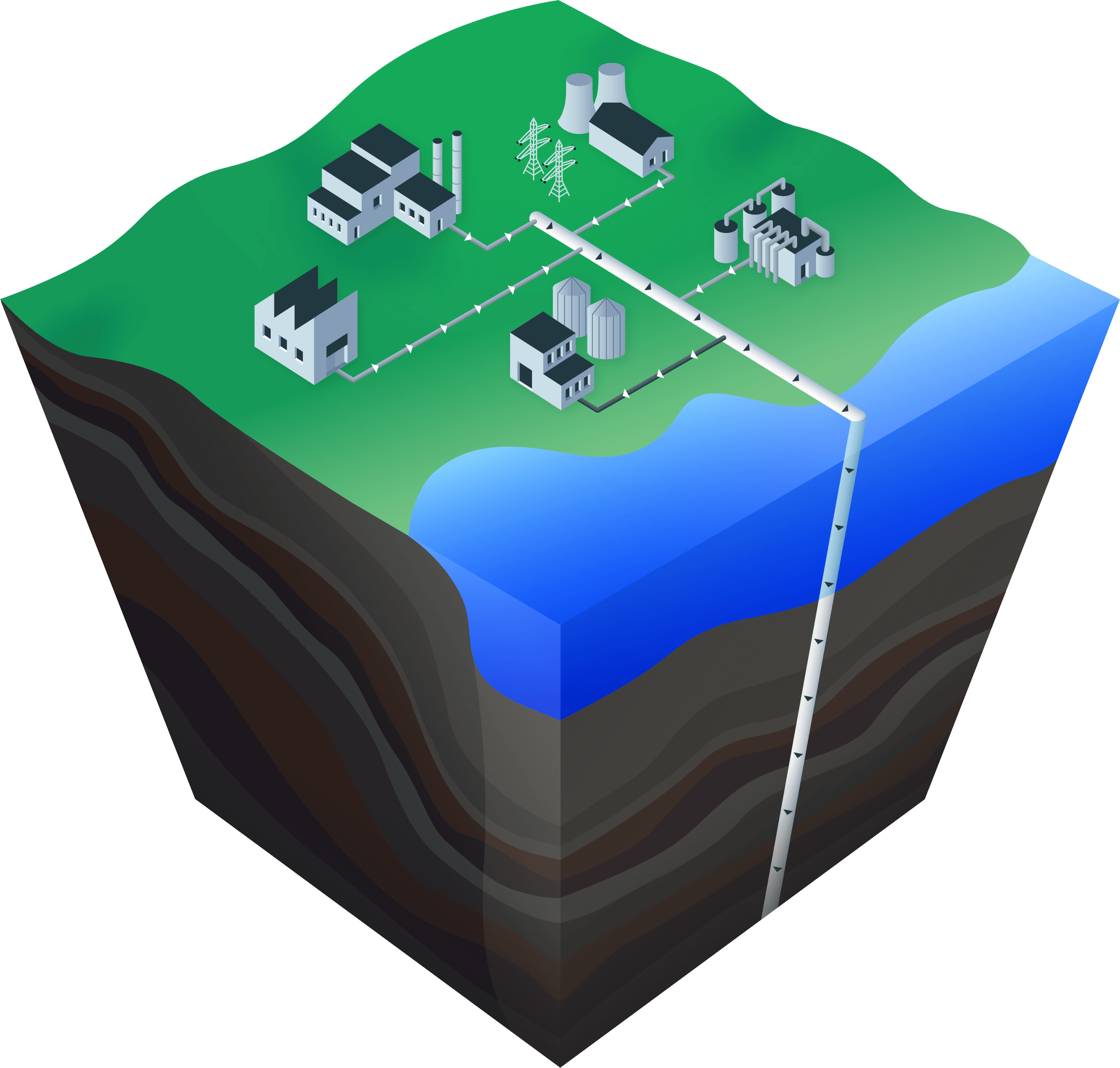
CCS uses established technologies to capture, transport and store carbon dioxide emissions from large point sources, such as power stations. It also has an important role to play to ensure manufacturing industries, such as steel and cement, can continue to operate, without the associated emissions.

CCS is a key tool in tackling climate change, providing energy security, creating jobs and economic prosperity.

The International Energy Agency (IEA) states that CCS could reduce global carbon dioxide emissions by 19%, and that fighting climate change could cost 70% more without CCS.

Learn more

About the CCSA
Paperwork on boardroom table

From its base in London the Carbon Capture & Storage Association brings together specialist companies in manufacturing & processing, power generation, engineering & contracting, oil, gas & minerals as well as a wide range of support services to the energy sector such as law, finance, consultancy and project management.

The Association is a model for sectoral cooperation in business development and its existence is welcomed by government.


Learn more about us

Our Publications

CCSA Weekly News

Subscribe to CCSA's weekly newsletter

FAQs
Oil rig platforms

Can the injection of carbon dioxide into geological formations (for CCS) lead to earthquakes and if so, can this risk be managed?

In principle the injection of carbon dioxide into geological formations can lead to earthquakes but these would be very small, similar in size to those experienced when a large water reservoir is filled or emptied. They would probably be undetectable by human beings, particularly in the case of the UK where the injection would take place under the North Sea.

What is CCS?

CCS, or Carbon Capture and Storage, is a low carbon technology which captures carbon dioxide (CO2) from the burning of coal and gas for power generation, and from the manufacturing of steel, cement and other industrial facilities. The carbon dioxide is then transported by either pipeline or ship, for safe and permanent underground storage, preventing it from entering the atmosphere and contributing to anthropogenic climate change.

Learn more


Conference audience

CCSA Press Release - 16 May 2013

CCS Cost Reduction Taskforce Recommends Next Steps for CCS in the UK

The CCSA welcomes today's publication of the CCS Cost Reduction Taskforce final report on The Potential for Reducing the Costs of CCS in the UK. The Final Report presents to Government what the Task Force has identified as Agreed Actions and recommended Next Steps to achieve the cost reductions and develop the CCS industry in the UK.

View the CCSA Press Release and the final report

CCSA Weekly News - 16 May 2013

For a round-up of the headlines this week, see our latest newsletter.

UK News

  • Government urged to capture industrial CCS opportunity
  • Challenged by carbon: developing CCS technologies
  • EU Energy Sector Faces Investment Crisis

International News

  • Doubts emerge over Latrobe Valley transition
  • Evaluating Mongstad full-scale carbon capture test results
  • Budget: Stronger and smarter? Or weaker and dumber?
  • Brad Wall pitches carbon capture to large US firms
  • Reservoir in Norway could make future carbon store
  • Notice of National Development and Reform Commission (NDRC) on Promoting Carbon Capture, Utilisation and Storage Pilot and Demonstration
  • Air Products Celebrates Texas Carbon Capture Demonstration Project Achievement
  • Engineers visit CO2CRC Otway Project
  • IEA Official to preview updated CCS Tech Roadmap
  • Can Carbon Capture Clean Up Canada’s Oil Sands?
  • DOE meets with South Korean trade officials to talk energy priorities
  • Carbon capture comes up short in Alberta
  • EU ponders energy tariffs freeze for steelmakers

Weekly News

For a round-up of CCS news this week, see the latest CCSA Weekly Newsletter.