

About CCUS
Carbon Capture, Utilisation and Storage (CCUS)
Carbon Capture, Utilisation and Storage (CCUS) is a low-carbon technology, critical for meeting global climate targets. Expert organisations including the IEA, IPCC, CCC see an essential role for CCUS to limit global temperature rise to 1.5°C.
The technology captures carbon dioxide (CO2) emissions from industrial facilities such as power generation, cement, steel, fertiliser, chemicals and refining or directly from the atmosphere using Greenhouse Gas Removal (GGR)/ Carbon Dioxide Removal (CDR) technologies. It also enables low-carbon hydrogen production.
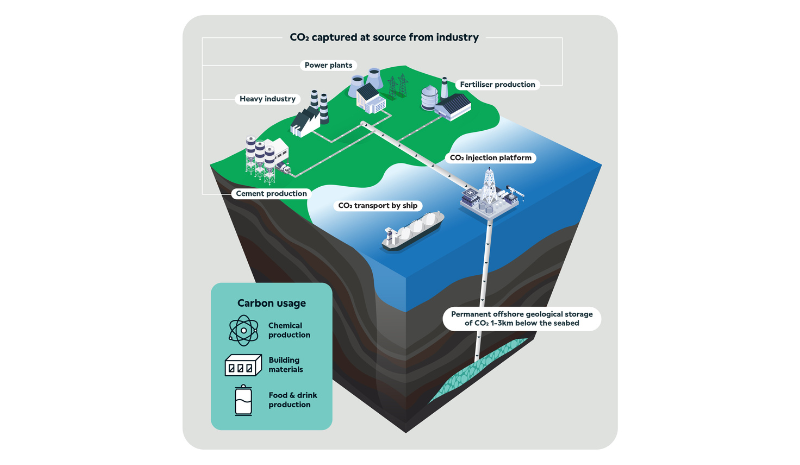
The captured CO2 is transported by pipeline, ship, road or rail to be used in new products (CO2 utilisation) or permanently stored (CO2 storage) deep underground or 1-3km below the seabed. This prevents the CO2 from entering the atmosphere and is an essential technology to address climate change.
CO₂ Capture
CO2 capture technology captures CO2 from industrial sources or directly from the air. There are four main types of capture:
i. Post- combustion captures CO2 from exhaust gases after a fuel is burned.
ii. Pre-combustion converts fuel into hydrogen and carbon monoxide before combustion, separating CO2 and using the remaining hydrogen as fuel.
iii. Oxy-fuel burns fuel in pure oxygen, producing a concentrated CO2 stream.
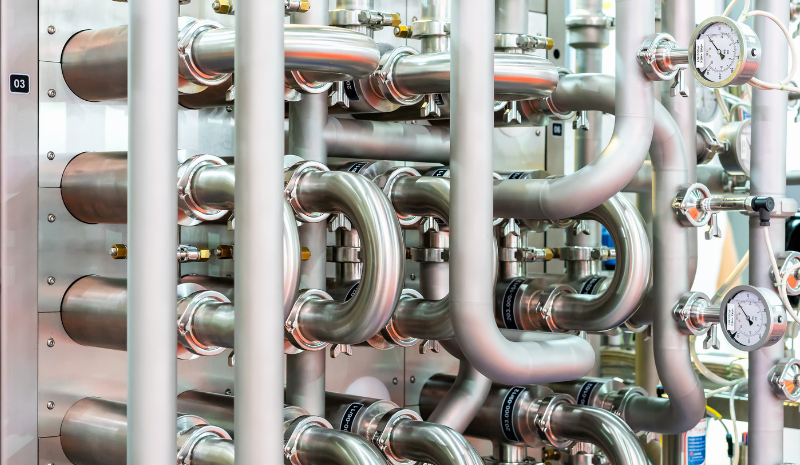
iv. CO2 can be captured directly from the atmosphere by drawing in air using fans and passing it through solid or liquid sorbents, this is known as direct air capture (DAC).
These methods capture 90-99% of CO2 through chemical solvents, solid sorbents, and emerging technologies such as membranes. CO2 can also be captured directly from the atmosphere by drawing in air using fans and passing it through solid or liquid sorbents.
CO2 capture technologies are either retrofitted to existing facilities or built as part of new plants.
CO₂ Transport
CO2 can be transported by pipeline, ship, road or rail. The development of CCUS clusters – multiple industries sharing CO2 transport and storage infrastructure – is critical to achieving net zero emissions in industrial regions. The CO2 is compressed before being transported to a liquid like form (making it easier to transport as it takes up less volume) or, sometimes, gas phase.
Pipeline is the most common and efficient method for moving large quantities of CO2 over long distances.
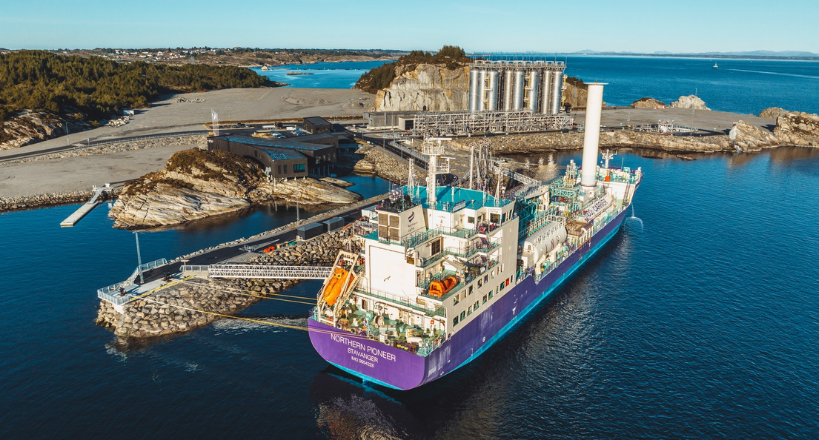
Shipping CO2 enables it to be transported to alterative storage sites, including offshore, as well as enabling cross-border transportation of CO2. Road and rail provide options and flexibility for smaller volumes or areas not easily reached by pipelines or ship.
CO₂ Storage
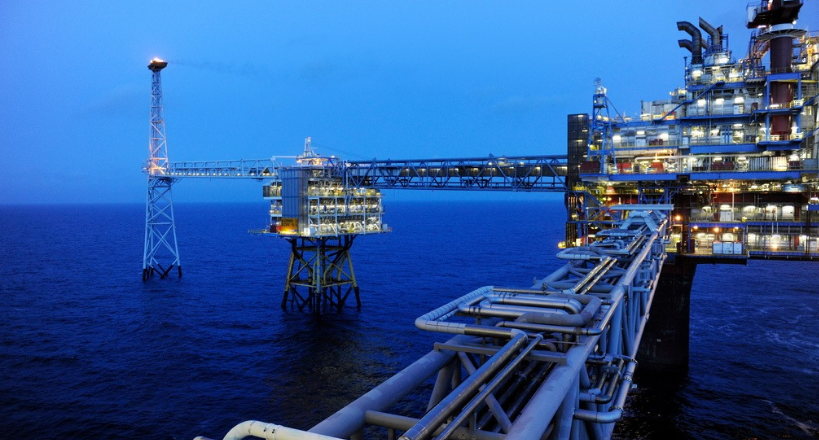
Once CO2 is transported to a suitable storage site, it is injected into layers of porous rock, around 1-3km below the surface. The CO2 is permanently stored here.
Across Europe CO2 storage is located offshore in the North Sea and East Irish Sea, as well as in Eastern and Southern Europe, with some onshore storage also under exploration on mainland Europe.
The storage site is a carefully selected geological formation that ensures safe and permanent storage. Most CO2 storage sites are either depleted oil and gas fields, which are well understood and have already stored gas and CO2 naturally for millions of years, or large offshore saline aquifers (underground rock formations containing water that is unsuitable for human use).
The CO2 is continuously monitored and verified to ensure that it remains safely stored in the subsurface.
CO₂ Utilisation
CO2 utilisation (CCU) involves capturing carbon dioxide from industrial sources or the air and converting it into valuable products like building materials (aggregates, carbonates), chemicals (urea, polymers), fertilisers or using it directly in processes such as food and drink carbonation, aiming to reduce emissions by recycling carbon rather than storing it.
CO2 utilisation can lower the carbon footprint of products and enable the scale up of CO2 capture technology ahead of a connection to a transport and storage network. However, CO2 utilisation will only be able to address a small proportion of the CO2 emissions reductions required to reach climate targets.
Valuable products like building materials (aggregates, carbonates), chemicals (urea, polymers), transport fuels (e-fuels), fertilisers or using it directly in processes such as food and drink carbonation, aiming to reduce emissions by recycling carbon rather than storing it.
CCUS Impact
The development of a strong CCUS sector across Europe and the UK will be a powerful driver of sustainable growth. As an essential tool for decarbonisation, it enables renewed investment in foundational industries such as cement, chemicals and fuel refining, helping to avoid deindustrialisation while safeguarding and creating skilled jobs. At the same time, CCUS creates new markets for low-carbon products, enables greenhouse gas removals, supports the production of low-carbon hydrogen, and will deliver reliable low-carbon power as part of a secure energy system. This will be further complemented by expanding supply chains across the UK and Europe which will further stimulate economic activity and create new export opportunities. Together, these impacts make CCUS a major economic opportunity—unlocking billions in private investment while being essential for the realisation of climate ambitions.

Decarbonising
Industries

Transforming
Regions

Delivering
Net Zero
FAQ about CCUS
There are three stages to CCUS: capture, transport, and then either utilisation or safe storage. Capture ‐ The first stage of the CCUS process is capturing the CO2. One way that CO2 can be captured is by extracting it from flue gas releases at emitting sources such as heavy industries. The three types of this capture method include: post-combustion, pre-combustion and oxyfuel combustion. The other way CO2 is captured is by removing it from the atmosphere using GGR / CDR technologies – these technologies include Direct Air Carbon Capture and Storage (DACCS), Bioenergy with Carbon Capture and Storage (BECCS) and Waste Energy with Carbon Capture and Storage (WECCS). These capture methods can capture more than 95% of CO2 on average Transport ‐ The CO₂ is then compressed or liquified and transported to a suitable storage site or utilisation plant, through a pipeline, or by ship, road or rail transport, which together are referred to as non-pipeline transport (NPT). Utilisation/Storage ‐ The CO₂ can be used to make low carbon products such as aggregates and building materials and fertilisers, but in most cases it is permanently stored through injection into a suitable offshore storage site deep under the seabed. The storage site is a carefully selected geological formation that ensures safe and permanent storage. Storage can either take place in depleted oil and gas fields, or deep saline formations.
CCUS technologies are well-established, available now, and essential for achieving net zero by 2050. The individual components of the CCUS chain have been successfully implemented worldwide for decades. The CCS project pipeline has been growing at a compound annual rate of over 30% since 2017. In 2025, the Global Status of CCS 2025 report by GCCSI stated that a total of 77 commercial CCS projects are now in operation with a capture capacity of 64Million Tonnes per annum (Mtpa) - up 25% year on year. In addition, 47 projects are in construction, 610 in development and 734 in the pipeline, up 17% year on year. Please see our case studies page for examples of CCUS projects and developments.
Greenhouse Gas Removal (GGR), or Carbon Dioxide Removal (CDR) technologies remove CO2 from the atmosphere. GGR/CDR mean we can achieve net zero emissions and potentially net negative emissions because they don’t just prevent CO2 reaching the atmosphere, they also remove CO2 that was already there. This is crucial for mitigating climate change by counteracting the warming effects of past and ongoing emissions. DACCS: Direct air capture units use advanced filtration systems to separate and remove CO₂ directly from the atmosphere, which is then geologically stored deep underground. BECCS: The process of capturing and permanently storing CO₂ captured from the combustion of biomass (such as sustainable wood chips and plant matter), for renewable energy generation. Plants absorb CO₂ from the atmosphere during their growth which would be released back into the atmosphere if plant waste was left to biodegrade. BECCS plants combust this waste material and capture the CO2 from this process which prevents it re-release into the atmosphere (permanently removing it) whilst also generating electricity. WECCS: Energy from waste facilities incinerate non-recycled waste to generate electricity, preventing it from going into landfill. Around 50% of this waste is biogenic in origin (derived from organic/plant matter), so capture of this CO2 prevents it re-release into the atmosphere, removing it as with BECCS above.
CCUS is one of very few available technologies which can decarbonise hard-to-abate industries such as fertiliser, refining, cement, lime, chemicals, iron & steel enabling the production of low carbon. It provides a source of flexible, low-carbon power generation, alongside renewables, which will make an important contribution to a resilient net zero power mix. CCUS represents one of the main routes for producing low-carbon hydrogen, which can be used to decarbonise industry, industrial heating, as well as transport. Included in CCUS technologies are greenhouse gas removals methods such as DACs, BECCS and WECCS which will be critical to meet climate goals.
No, CCUS is necessary to decarbonise many vital sectors beyond fossil fuel electricity, such as cement, lime, chemicals, fertiliser, refining, steel and energy from waste. It has an important role to play in decarbonising industry. It opens the door for low-carbon hydrogen, the production of sustainable materials, and unlocking engineered removals, ensuring that net zero can be achieved.
As we transition to a low carbon economy, we will still be reliant on oil and gas for years to come, for many of our essential products and as renewals continue to scale up and new technologies emerge. Therefore to avoid any more emissions being released into the atmosphere, we need to deploy CCUS to ensure we have a reliable and low carbon energy system. CCUS has been used in Enhanced Oil Recovery (EOR) projects, mainly in the US. All the European and UK projects that are moving towards deployment are not used for EOR.
We need to use all technologies available to reach net zero. All new technologies are initially expensive. However, as the industry builds the earliest CCUS projects in the UK and Europe (which are receiving private finance alongside government support), innovations and cost reductions will be delivered meaning that projects to follow will be cost effective. Tackling climate change is an enormous challenge and we will need all low-carbon technologies at our disposal. The International Energy Agency (IEA) has estimated that by 2050, the cost of tackling climate change without CCUS could be 70% higher. They also estimate that to reach a 50% cut in global CO₂ emissions by 2050 (widely believed to be equivalent to limiting the increase in global temperature to 1.5 degrees), CCUS will need to contribute nearly one fifth of emissions reductions – across both power and industrial sectors.
Yes, CCUS is a well-established, proven technology with nearly 30 years of demonstration in successful CO₂ storage operations. Globally, CCUS deployment has more than doubled over the last decade. The North Sea's Sleipner Project, in Norway, operational from 1996, was the world's first commercial carbon capture project. It has shown that carbon capture technology can be applied on a large scale. Furthermore, it demonstrated that carbon capture can be viable with the gradual decline in the cost per tonne of carbon captured. Read more in this article.
The CCUS industry has many years’ experience of transporting and storing CO₂. The Sleipner CO₂ storage project in Norway was established in 1996 and is one of the world’s first projects dedicated solely to large scale CO₂ capture and permanent storage. The Sleipner project has now safely and permanently stored more than 20 MtCO₂ and continues to sequester over 1 million tonnes of CO₂ each year in a deep saline formation under the Norwegian North Sea. Expertise gained from the oil and gas sector is being applied to the CCUS sector. Decades of subsurface knowledge is now being used for CO2 storage purposes, with skilled jobs transferring from the fossil fuel industry to the low-carbon economy.
The Global CCS Institute reports that in 2025 there are 734 CCUS projects in the global pipeline, including 77 operating facilities and 47 facilities under construction. In total, 610 projects are in advanced or early development, reflecting continued year-on-year growth in deployment. Operating facilities currently capture around 64 million tonnes of CO₂ per annum (Mtpa), with total capture capacity across the pipeline reaching 513 Mtpa. These facilities are located in the USA, China, Australia, the Middle East, Canada, the UK and Europe, with operations spanning a variety of sectors. Countries including Malaysia and Indonesia are seeking to develop all aspects of the CCUS value chain to manage domestic emissions and to receive CO₂ from jurisdictions without sufficient geological storage resources, storing it for a fee. Global CCS Institute Website
It is recognised that some residual emissions (i.e. emissions from sectors including agriculture and aviation that are not possible to completely remove) will remain in the atmosphere, unless CDR/GGR technologies like BECCS, DACCS and WECCS are deployed. The IPCC and CCC LINK recognise the role of CCUS in limiting global warming to 1.5°C and achieving removal of historical and ongoing emissions, eventually reducing to 1990s levels.
Blue hydrogen is formed from natural gas where the CO₂ emissions resulting from breaking apart hydrocarbons are captured and stored. Green hydrogen uses renewable energy to split water into hydrogen and oxygen in a process known as electrolysis.
Hydrogen is a critical feedstock in chemical manufacturing. By integrating low carbon hydrogen (with CCUS) into the production of chemicals and materials, we are enabling industries to reduce their reliance on oil and gas-derived feedstocks.
Hydrogen is also an important fuel to help decarbonise vital sectors such as power, industry and transport. Much like natural gas, hydrogen can be used as a fuel and combusted to generate energy; however, unlike natural gas, it does not release CO2 in this process. Hydrogen is therefore important to replace fossil fuels in sectors that are hard to electrify, such as steel, cement, dispatchable power, and heavy transport.
Combustion of hydrogen to create energy produces water as a by-product. It does not produce carbon dioxide (CO₂) emissions. It can also be used as a feedstock to reduce the carbon footprint of processes and end products such as chemicals and materials.
CO₂ is stored safely deep underground, mainly offshore, but also onshore where appropriate. It is permanently stored between 1 – 3km down below the seabed or Earth’s surface. CO₂ storage sites are carefully chosen to ensure the highest confidence in permanent storage and there is rigorous site characterisation, and ongoing monitoring and verification procedures in place to check the behaviour of the CO₂ and it ensure the stays safely stored. These assessments and procedures are required by CCUS regulations before a project is allowed to proceed. Many of the potential storage site opportunities are large saline aquifers or depleted oil and gas fields which are well understood and have already stored gas and CO₂ naturally for millions of years.
Yes, in fact carbon dioxide is already regularly transported worldwide. The main options for transportation are by pipeline, ship, truck or rail. Transport by pipeline is currently the cheapest option and has been in practise for many years both on and offshore. For example in the United States, there are already over 8,000 km of CO2 pipeline actively transporting CO₂ today. CO₂ transport systems are monitored electronically and manually with rigorous monitoring standards, so that if there was a drop in CO₂ pressure the transport mechanism would be safely shut down. In the UK context, the UK has a wealth of experience, based on designing, constructing and operating 6800km of high-pressure gas pipelines, for which it has earned a global reputation for safety. The Code of Practice for pipelines to transport CO₂ streams are recognised as being the most cautious in the world, and the design and operation receives detailed scrutiny from the Health and Safety Executive.