Porthos, Port of Rotterdam CO₂ Transport Hub and Offshore Storage
 Back
Back

- First CCS project in the EU to focus on the permanent storage of CO₂ from multiple companies, using an open access approach
- The project will be operational in 2026, and has a maximum storage capacity of approximately 37 Mt CO₂. With an average of 2.5 million tonnes of CO₂ being stored per year, the capacity will suffice for 15 years
- Due to the oversized onshore pipeline and compressor station, new CCS projects such as Aramis and the DRC can utilise the Porthos infrastructure
- Porthos has been recognised by the European Union as a Project of Common Interest and has received € 102 million CEF subsidy
About
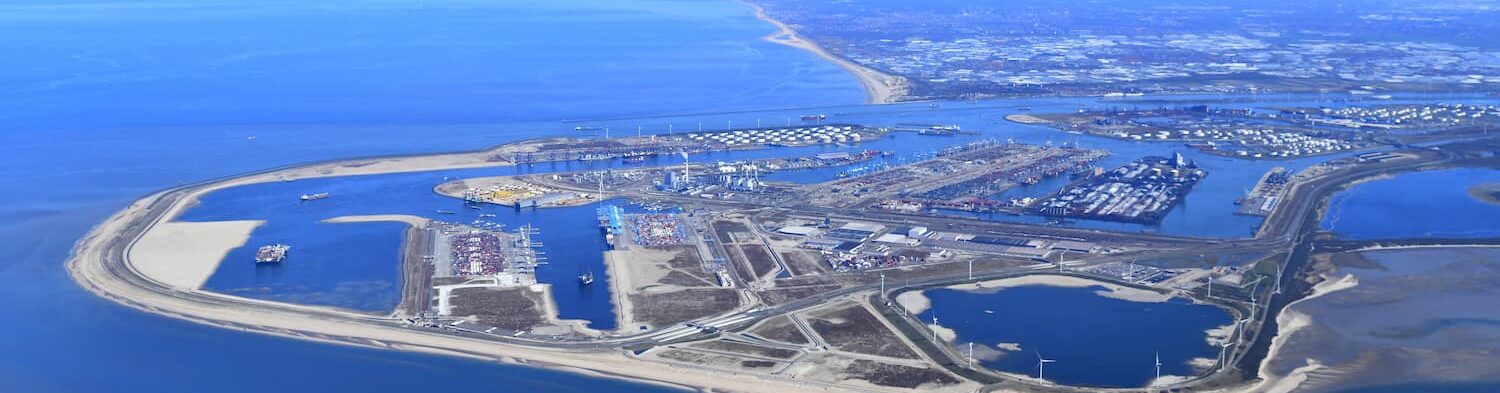
Porthos is developing a project in which CO2 from industry in the Port of Rotterdam will be transported and stored in depleted gas fields under the North Sea.
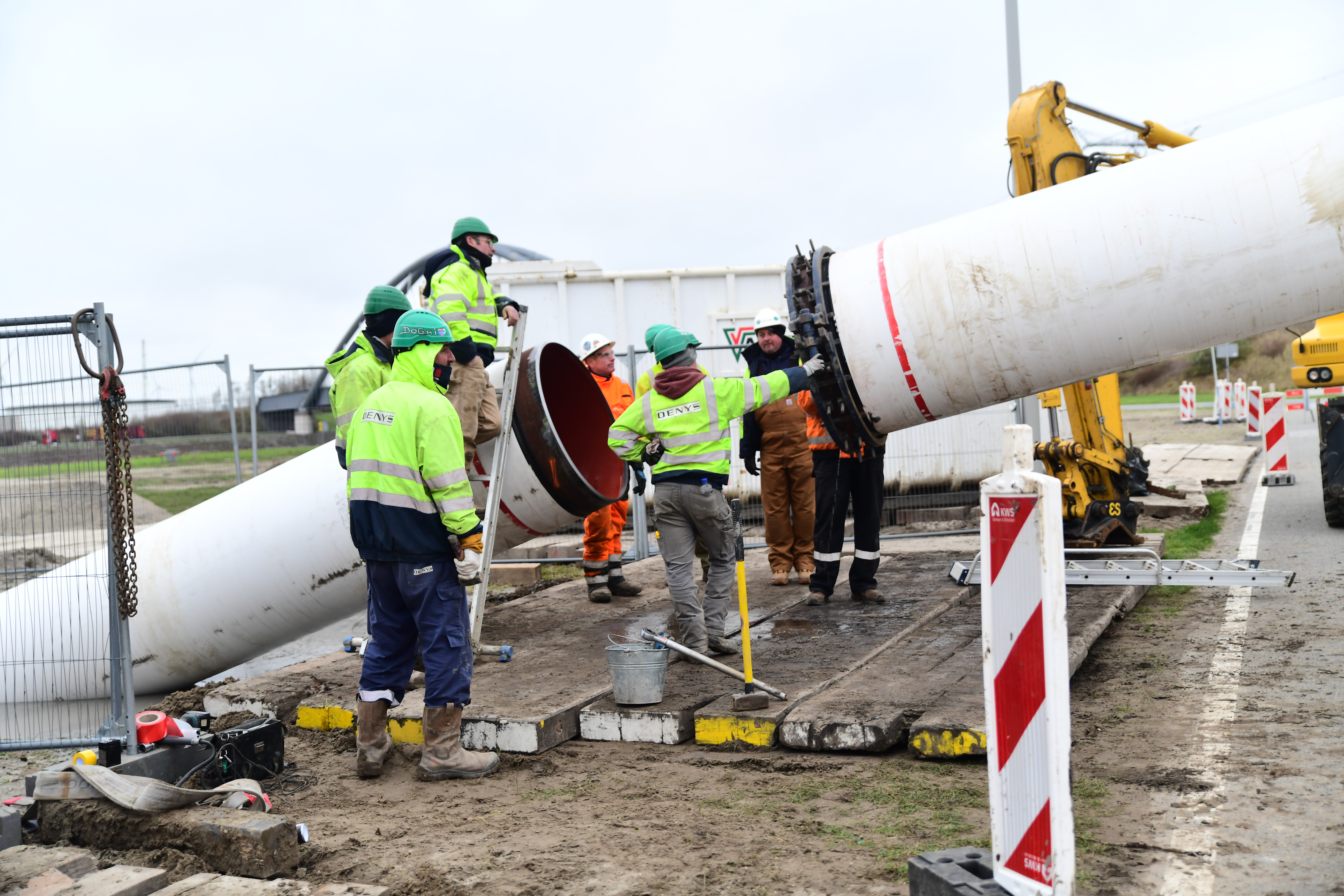
The CO2 transported and stored by Porthos will be captured by several companies. The companies supply their CO2 to a collecting pipeline of over 30 kilometres through the Rotterdam port area. The CO2 is then pressurised at a compressor station, which is needed to inject the CO2 into the depleted gas field.
The CO2 goes by subsea pipeline to a platform in the North Sea, about 20 kilometres offshore. The platform located here will be converted for reuse by Porthos, to inject the CO2 into depleted gas fields. These gas fields are located in a sealed reservoir of porous sandy rock, three to four kilometres under the North Sea. Porthos will store about 37 Mtonnes of CO2, which is about 2.5 Mtonnes of CO2 per year for 15 years.
The final investment decision for Porthos was made in October 2023. Construction of the Porthos infrastructure started in early 2024. The system will be operational in 2026.
Porthos has been recognised by the European Union as a Project of Common Interest.
More information here:
CO2 reduction through storage under the North Sea – Porthos