

East Coast Cluster
 Back

- £2.1bn+ awarded to UK suppliers
- 3,000 construction jobs supported and created
- 175 young people in training to launch clean energy careers
- £2.5m social investment for local community groups

The East Coast Cluster is demonstrating how strategic CCUS investment can drive reindustrialisation. Northern Endurance Partnership (NEP) is building the shared transportation and storage infrastructure that will carry captured CO₂ from industries in Teesside and the Humber for permanent storage beneath the North Sea. Its first phase reached financial close in December 2024 and is now under construction.
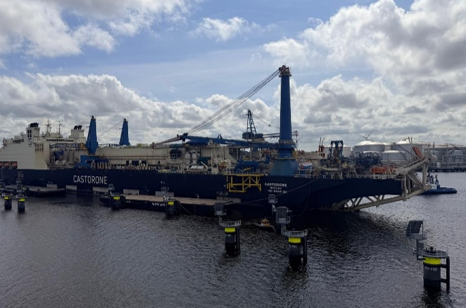
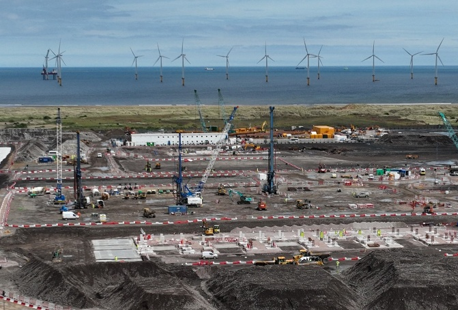
The infrastructure includes a 12 km onshore gathering network, compression facilities and subsea injection and monitoring systems. Offshore construction is also now under way, with Saipem’s 325-metre Castorone pipelay vessel beginning work on the 149 km pipeline connecting industry to the Endurance storage site.
Once operational, it will initially transport and store up to 4 million tonnes of CO₂ each year, giving hard-to-abate sectors access to the infrastructure they need to decarbonise while continuing to operate, invest and compete in the UK.
The economic benefits are already substantial. As it stands, East Coast Cluster infrastructure has delivered over £2.1 billion to UK suppliers through 300 UK subcontracts, with more than half of content sourced domestically. The project expects to create and support around 3,000 jobs during construction, alongside hundreds of permanent operational and maintenance roles.
Net Zero Teesside Power (NZT Power), the cluster’s flagship capture project, will combine flexible gas-fired generation with carbon capture to provide dependable low-carbon power alongside renewables. More than £1 billion in UK supply chain contracts has been awarded through the project, with UK content exceeding 50 per cent and hundreds of construction and engineering jobs already supported.
The cluster is also investing in the next generation. Through local training partnerships, 175 young people are entering clean energy education, supported by £1 million for regional skills programmes. This investment is helping local people develop capabilities in areas such as welding, instrumentation, pipefitting, electrical engineering and civil operations – skills that are transferable across CCUS, hydrogen and the wider industrial economy.
Together, NEP and NZT Power show how investment in shared infrastructure can create jobs, strengthen supply chains and give businesses and training providers the confidence to invest. Progressing the Humber expansion of the Cluster, alongside the timely selection of further capture projects in Teesside, would extend these benefits to more industrial communities, support the continued growth of UK supply chains and reindustrialise and revitalise the North East while decarbonising.

Sophie Gray is a Project Controls Degree Apprentice at bp, supporting the delivery of Northern Endurance Partnership Phase 1. NEP is building the CO₂ transport and storage infrastructure at the heart of the East Coast Cluster, which will transport captured emissions from industry across Teesside for permanent storage beneath the North Sea.
Through her work on the project, Sophie has progressed from supporting routine cost engineering activities to taking ownership of key responsibilities, including cost forecasting, reporting and presenting insights on project performance to stakeholders. Her apprenticeship has given her experience of working with contractor teams and senior project leaders, while providing valuable insight into how major infrastructure projects are governed and delivered.
Sophie’s experience shows how investment in CCUS is creating meaningful career opportunities for young people in Teesside and giving them real responsibility on some of the UK’s most significant energy infrastructure projects. By learning alongside experienced professionals, apprentices like Sophie are developing the technical, analytical and communication skills needed to deliver the energy transition and support the growth of the UK CCUS industry.
Reflecting on how the opportunity has supported her development, Sophie recently said: “Being trusted with real responsibility on a project of this scale has helped me grow both professionally and personally. Most importantly, working alongside experienced professionals has reinforced my ambition to build a long-term career in project controls and contribute to the delivery of major energy projects.”